DIL stands for advocacy, innovation, and healing. Our Black Maternal Health initiative amplifies the voices of Black women, drives systemic change, and builds equitable care models powered by AI and compassion.”
“Every mother deserves safety, dignity, and respect — before, during, and after birth.”
Maternal Health Initiative
Beneficense/Non-Maleficense/Veracity


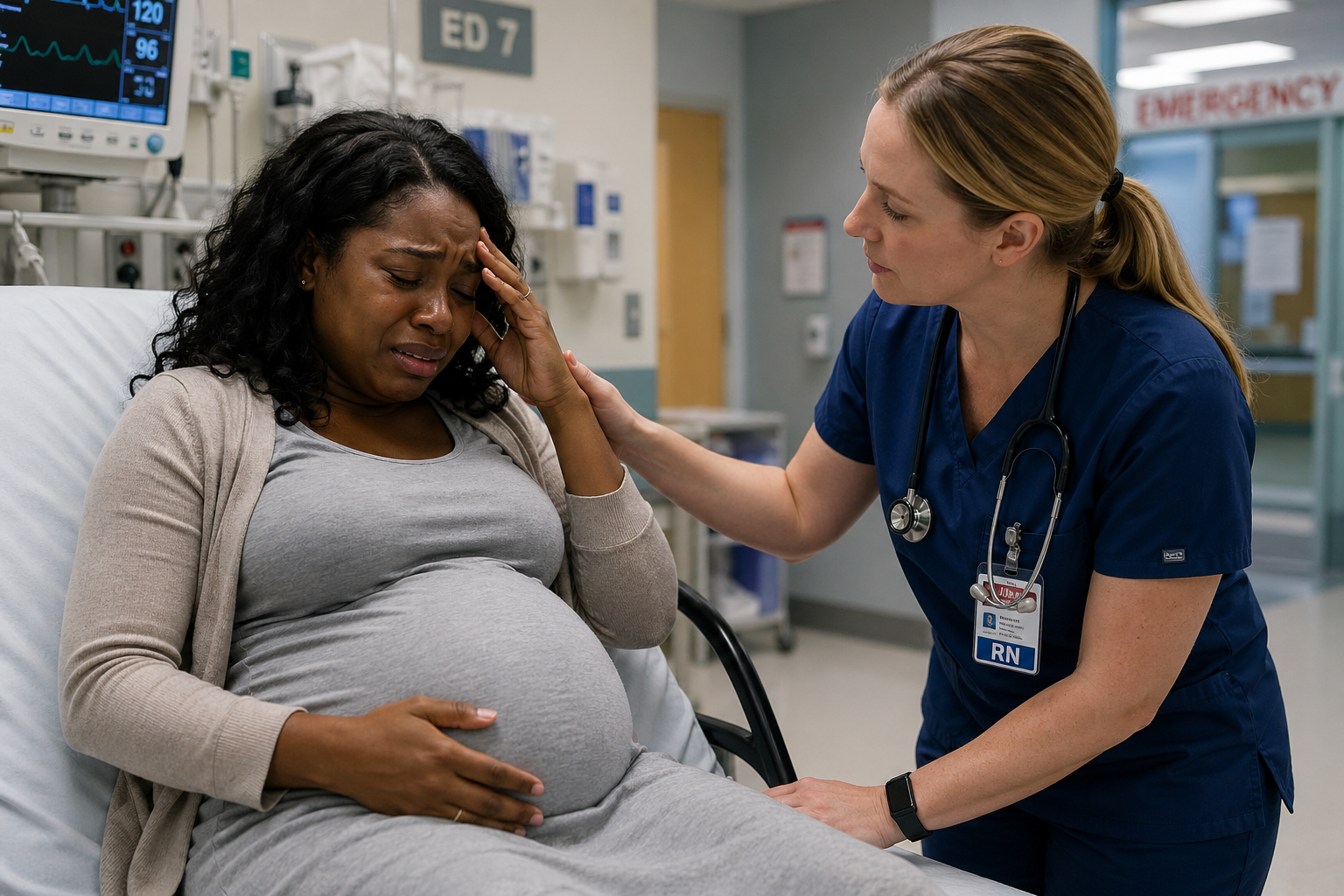
🩺 Message to Nurses: What to Check Upon Triage
“Every patient encounter begins with vigilance. Triage is not routine — it’s the first line of defense against preventable harm.” [If labor is suspected; page the doctor on call then continue on these steps]
1. Immediate Safety & Vital SignsAirway, breathing, circulation — confirm stability.Temperature, pulse, respirations, blood pressure, oxygen saturation.Pain level and location — document clearly.Mental status and orientation — note any confusion or agitation.
2. Risk IdentificationPregnancy status (always ask and document).Allergies and current medications.Chronic conditions (diabetes, hypertension, cardiac, psychiatric).Recent surgeries, hospitalizations, or infections.Fall risk and mobility assessment.
3. Red‑Flag SymptomsChest pain, shortness of breath, severe headache, vision changes.Heavy bleeding, abdominal pain, or swelling.Fever with tachycardia or hypotension.Suicidal thoughts or acute distress.Any sudden neurological change — weakness, slurred speech, confusion.
4. Rapid ScreeningSepsis screen (temp, HR, RR, BP, WBC).Stroke screen (FAST: Face, Arm, Speech, Time).Pain reassessment after interventions.Maternal health: blood pressure, edema, headache, visual changes, fetal movement.
5. Documentation & CommunicationRecord triage level accurately (ESI or facility scale).Notify provider immediately for red‑flag findings.Ensure handoff clarity — SBAR (Situation, Background, Assessment, Recommendation).Reassess and update triage if condition changes.
6. Compassion & Cultural SensitivityAddress patients by name, maintain privacy, and listen actively.Be alert to bias — every patient deserves equitable care.Empower patients to voice concerns; never dismiss pain or fear.
People-First Approach
·
Reliability You Can Count On
·
A Focus on Quality
·
People-First Approach · Reliability You Can Count On · A Focus on Quality ·
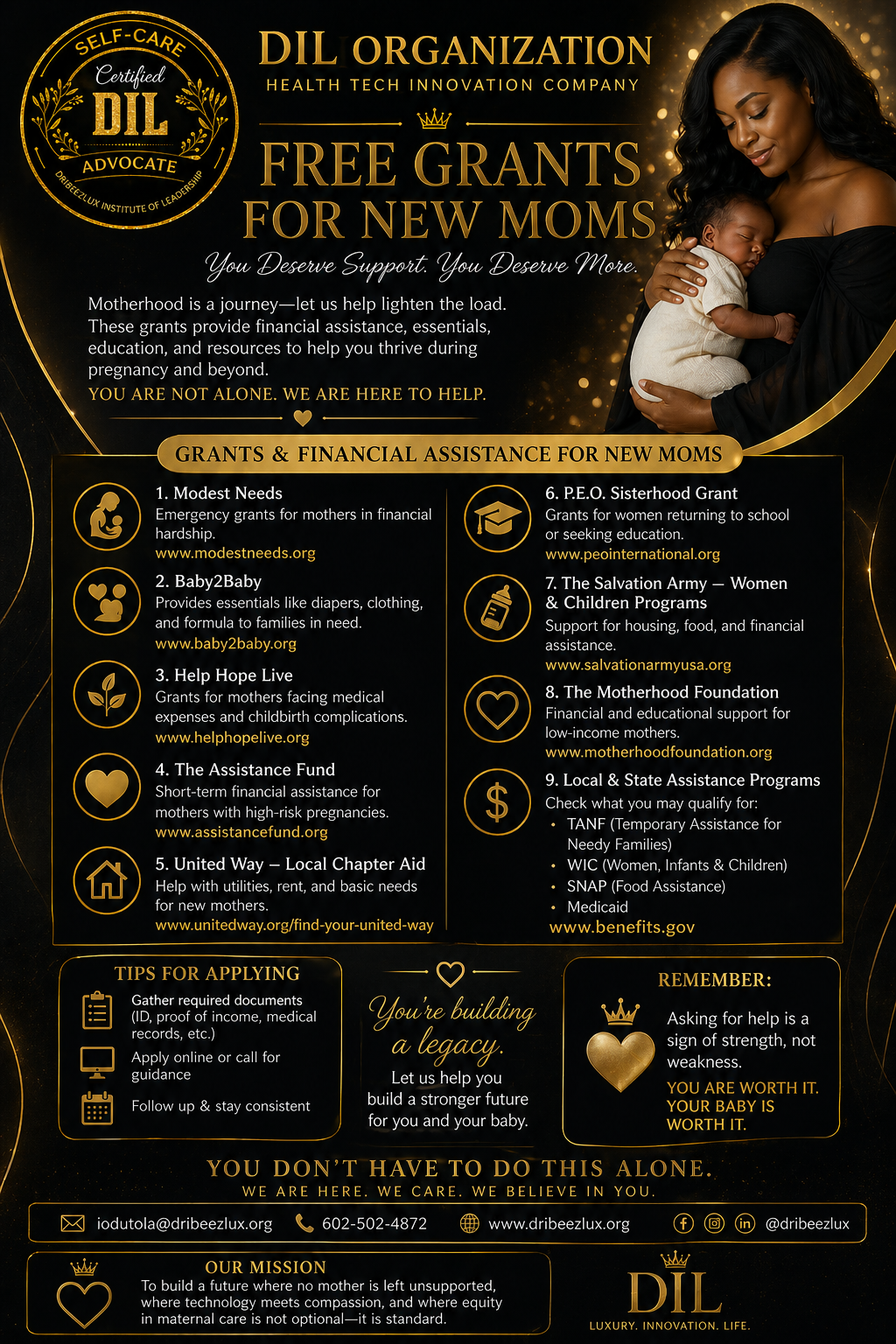
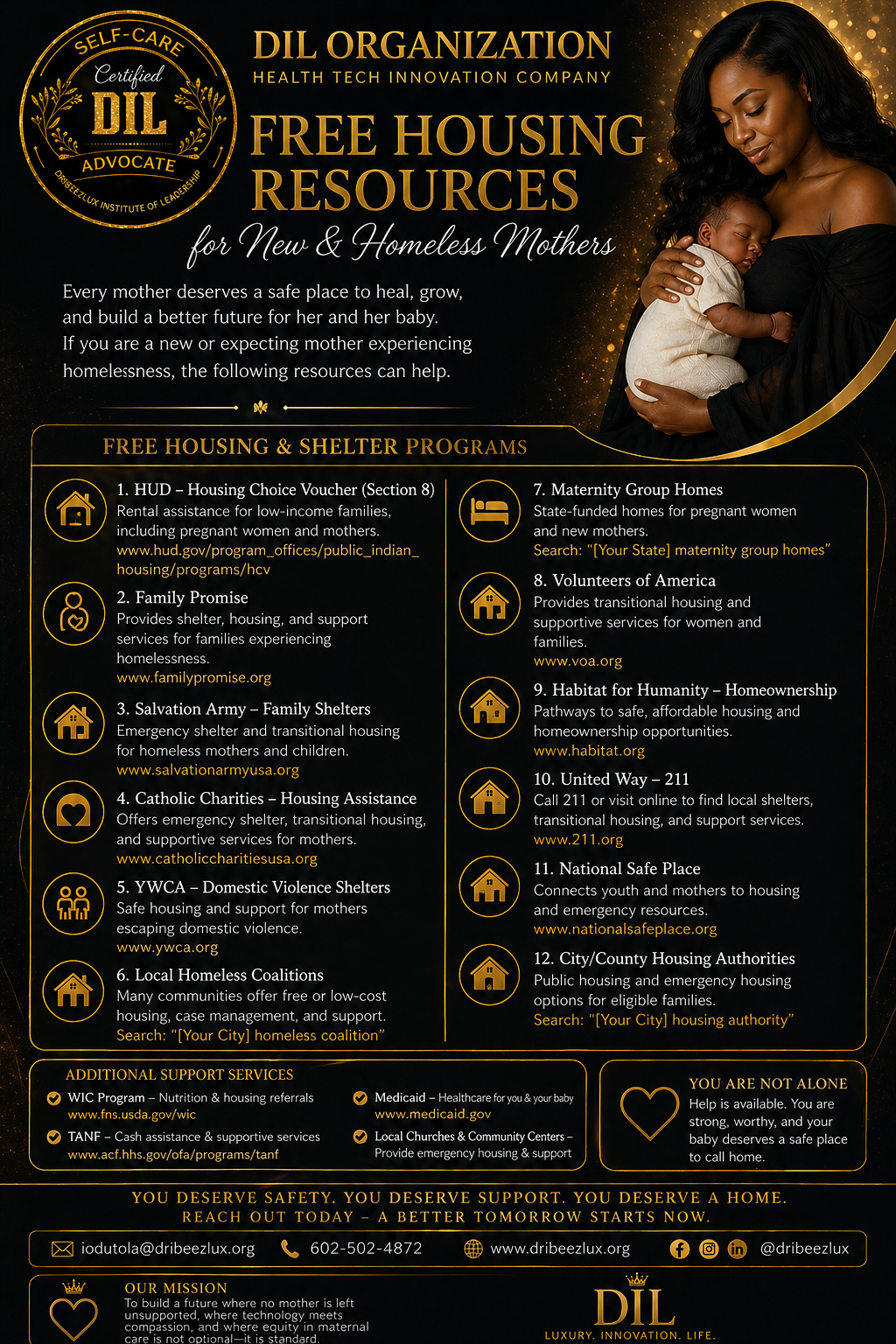
🍼 1. Temporary Assistance for Needy Families (TANF)🔗 https://www.acf.hhs.gov/ofa/programs/tanfWhat you get:Monthly cash assistanceHelp with childcare, job trainingAvailable during pregnancy & after birth
🥗 2. WIC (Women, Infants & Children Program)🔗 https://www.fns.usda.gov/wicWhat you get:Free healthy food (milk, eggs, formula, etc.)Nutrition education & breastfeeding supportAvailable during pregnancy + postpartum
🏥 3. Medicaid (Pregnancy Coverage)🔗 https://www.medicaid.govWhat you get:FREE prenatal care, delivery, and postpartum careCovers hospital stay, doctor visitsOften includes doula services in some states
👶🏽 4. The National Diaper Bank Network🔗 https://nationaldiaperbanknetwork.orgWhat you get:Free diapers, wipes, and baby essentialsLocal distribution sites nationwide
🧸 5. Baby2Baby🔗 https://baby2baby.orgWhat you get:Free diapers, clothing, formula, and baby gearWorks through partner organizations
🏡 6. Section 8 / Housing Assistance🔗 https://www.hud.gov/topics/housing_choice_voucher_program_section_8What you get:Reduced rent / housing vouchersPriority often given to pregnant women
👩🏽⚕️ 7. Healthy Start Program (HRSA)🔗 https://mchb.hrsa.gov/maternal-child-health-initiatives/healthy-startWhat you get:Case management + maternal supportHelp accessing care, transportation, and servicesSome offer financial assistance resources
👩🏾🍼 8. Catholic Charities (Nationwide)🔗 https://www.catholiccharitiesusa.orgWhat you get:Emergency financial assistanceBaby supplies, rent help, foodPregnancy and parenting support
🤱🏽 9. United Way (Local Grants & Help)🔗 https://www.unitedway.orgWhat you get:Emergency funds, childcare helpUtility and rent assistanceCall 211 for immediate local resources
🖤 10. Black Mamas Matter / Local Community Grants🔗 https://blackmamasmatter.orgWhat you get:Access to community-based funding programsSupport for Black mothers (varies by city)
👩🏽👶🏽 11. Modest Needs Foundation🔗 https://www.modestneeds.orgWhat you get:Emergency small grants (not loans)Helps prevent financial crisis (rent, bills, etc.)
🏥 12. March of Dimes (NICU & Special Cases Support)🔗 https://www.marchofdimes.orgWhat you get:Financial and emotional support for high-risk pregnanciesNICU family assistance programs
STAGES OF PREGNANCY [WHAT YOU SHOULD KNOW]
-
🖤 BEFORE PREGNANCY — Prevention Starts Early
Goal: Identify and manage risks before conception.
Key Action
Comprehensive health screening: Detect and treat chronic conditions (hypertension, diabetes, heart disease, obesity).
Mental health evaluation: Address depression, trauma, and stress — major contributors to poor outcomes.
Nutrition and wellness programs: Promote folate, iron, and vitamin D intake; reduce food insecurity.
Education and empowerment: Teach early warning signs and reproductive rights.
Access to culturally competent care: Connect women with Black clinicians, midwives, and doulas.
AI‑driven risk mapping: Use Credentia AI to identify high‑risk profiles and connect women to preventive care.
Community engagement: Partner with local organizations for pre‑pregnancy health fairs and screenings.
Preventable causes addressed: unmanaged chronic disease, lack of access, unrecognized cardiovascular risk.
-
🤰🏾 DURING PREGNANCY — Protecting Mothers and Babies
Goal: Ensure safe, respectful, and responsive care throughout pregnancy and delivery.
Key Actions
Early and consistent prenatal care: Regular visits, blood pressure monitoring, and lab tests.
Doula and midwife support: Continuous advocacy and culturally aligned care reduce mortality.
Bias‑free clinical training: Require implicit bias and equity training for all staff.
Emergency readiness: Standardize hospital protocols for hemorrhage, preeclampsia, and cardiac events.
Real‑time monitoring: Use AI dashboards to track vitals and alert clinicians to danger signs.
Respectful communication: Encourage mothers to speak up about pain, swelling, headaches, or shortness of breath — and ensure providers respond immediately.
Mental health check‑ins: Screen for anxiety and depression during prenatal visits.
Preventable causes addressed: hemorrhage, hypertensive disorders, embolism, sepsis, and neglect of warning signs.
-
👶🏾 AFTER PREGNANCY — The Critical Postpartum Year
Goal: Prevent late maternal deaths (which account for 60%+ of cases).
Key Actions
Extended postpartum care: Ensure follow‑up visits at 2 weeks, 6 weeks, and quarterly up to 12 months.
Blood pressure and heart monitoring: Continue management for hypertensive disorders.
Mental health and suicide prevention: Provide therapy, peer support, and crisis resources.
Postpartum Medicaid coverage: Advocate for 12‑month coverage (now active in 49 states).
Community health worker outreach: Home visits for education, lactation support, and depression screening.
AI‑enabled continuity tracking: Credentia AI can flag missed follow‑ups and connect mothers to care.
Emergency awareness: Teach families to recognize urgent warning signs — heavy bleeding, chest pain, severe headache, breathing difficulty, or extreme fatigue.
Preventable causes addressed: postpartum hemorrhage, cardiomyopathy, hypertension, infection, mental health crises.
-
🌍 Groundbreaking Maternal Health Resources
1. CDC – Pregnancy & Maternal Health
🔗 https://www.cdc.gov/pregnancy
Services Provided:
Prenatal care guidance and pregnancy planning
Warning signs during pregnancy and postpartum
Vaccination recommendations for mothers and babies
Data, statistics, and public health updates
2. ACOG – Pregnancy Patient Education
🔗 https://www.acog.org/womens-health
Services Provided:
Clinician-approved pregnancy and postpartum education
Labor, delivery, and recovery guidance
Symptom checkers and common condition explanations
Patient FAQs and printable educational materials
3. March of Dimes – Healthy Pregnancy Resources
🔗 https://www.marchofdimes.org/find-support/topics/pregnancy
Services Provided:
Prenatal health and wellness education
Preterm birth prevention and risk factors
Birth defects education and prevention
Support programs for families and mothers
-
More Materna Health Resource
4. WHO – Maternal & Newborn Health
🔗 https://www.who.int/health-topics/maternal-health
Services Provided:
Global maternal health guidelines and standards
Safe pregnancy and childbirth recommendations
International research and policy frameworks
Maternal mortality prevention strategies
5. Postpartum Support International (PSI)
Services Provided:
Support for postpartum depression and anxiety
Free helplines and provider directories
Online support groups and resources
Training and education for clinicians
6. Black Mamas Matter Alliance
🔗 https://blackmamasmatter.org
Services Provided:
Maternal health equity advocacy
Culturally competent care resources
Policy and community-based initiatives
Education focused on Black maternal health outcomes
7. Office on Women’s Health (U.S. HHS)
🔗 https://www.womenshealth.gov/pregnancy
Services Provided:
Pregnancy stages and prenatal development education
Nutrition, breastfeeding, and postpartum recovery guidance
Preventive care recommendations
Government-backed, patient-friendly health information
-
Best Hospitals to Give Birth in the United States
1. Brigham and Women’s Hospital — Boston, MA
Major academic center known for high-risk pregnancy, maternal-fetal medicine, and advanced newborn care.
2. Massachusetts General Hospital — Boston, MA
Strong obstetrics program, complex pregnancy support, and access to top specialists.
3. NewYork-Presbyterian / Columbia University Irving Medical Center — New York, NY
Known for high-risk OB care, maternal-fetal medicine, and advanced neonatal services.
4. Cedars-Sinai Medical Center — Los Angeles, CA
Large maternity program with strong labor and delivery services and high-risk pregnancy care.
5. UCSF Medical Center — San Francisco, CA
Highly regarded for maternal-fetal medicine, pregnancy complications, and newborn specialty care.
6. Stanford Health Care / Lucile Packard Children’s Hospital — Palo Alto, CA
Excellent for complex pregnancies and NICU-level newborn care.
7. Mayo Clinic — Rochester, MN
Known for coordinated care, maternal health specialists, and complex medical pregnancy management.
8. Northwestern Medicine Prentice Women’s Hospital — Chicago, IL
Large women’s hospital with strong OB, postpartum, and newborn services.
9. Cleveland Clinic — Cleveland, OH
Strong maternity care, maternal-fetal medicine, and specialty support.
10. Texas Children’s Pavilion for Women — Houston, TX
Excellent for high-risk pregnancy, fetal medicine, and neonatal intensive care.
11. Johns Hopkins Hospital — Baltimore, MD
Strong academic hospital with maternal-fetal medicine and complex pregnancy care.
12. University of Pennsylvania Hospital — Philadelphia, PA
Known for high-risk pregnancy services and advanced women’s health care.
For Arizona
Banner – University Medical Center Phoenix
Strong academic hospital option with advanced specialty care.
HonorHealth Scottsdale Shea Medical Center
Popular maternity care option in the Phoenix/Scottsdale area.
Mayo Clinic Arizona — Phoenix
Strong specialty care, especially for complex medical conditions.
For your website, you can label this section: “Top U.S. Hospitals Known for Advanced Maternity & High-Risk Pregnancy Care.”es here
-
🤰🏾 Free Maternal Support, Doula & Advocacy Organizations
1. Postpartum Support International (PSI)
What they provide:
Free mental health support during pregnancy & postpartum
Access to trained coordinators who help connect you to local doulas & therapists
Free support groups (virtual & some in-person)
Can guide you even while hospitalized
2. National Black Doulas Association (NBDA)
🔗 https://blackdoulas.org
What they provide:
Directory of Black doulas nationwide
Many offer sliding-scale or free services
Advocacy support during labor and hospital stay
Culturally competent birth support
3. Mama Glow Foundation (Doula Programs)
🔗 https://mamaglowfoundation.org
What they provide:
Doula support for underserved communities
Advocacy throughout pregnancy, labor, and postpartum
Training + placement programs (some free access depending on eligibility)
4. Ancient Song Doula Services (NY-based but influential model)
🔗 https://www.ancientsongdoulaservices.com
What they provide:
Free/low-cost doulas for marginalized communities
Full-spectrum support: pregnancy → labor → hospital → postpartum
Strong advocacy for Black maternal health
5. Birth in Color RVA (Virginia, but model expanding nationally)
🔗 https://www.birthincolorrva.com
What they provide:
Free doula services for Black mothers (grant-funded)
Labor support in the hospital
Education + postpartum follow-up
6. Medicaid-Covered Doula Programs (State-Based)
What they provide:
Many states now cover doula services at NO cost
Includes prenatal visits + labor/hospital support + postpartum care
Arizona and other states are expanding this benefit
👉 This is one of the most powerful and underused options
7. Nurse-Family Partnership (NFP)
🔗 https://www.nursefamilypartnership.org
What they provide:
Free nurse visits during pregnancy and after birth
Ongoing guidance, education, and advocacy
Does NOT attend delivery but provides strong continuous support
8. Healthy Start Program (U.S. HHS)
🔗 https://mchb.hrsa.gov/maternal-child-health-initiatives/healthy-start
What they provide:
Case managers and maternal advocates
Help navigating care, appointments, and hospital systems
Some programs connect you with doulas
9. SisterWeb (Community-Based Doula Model)
What they provide:
Free/low-cost doulas for Black, Latinx, and underserved mothers
Continuous labor support including hospital presence
Advocacy-focused care
10. DONA International (Doula Directory)
What they provide:
Certified doula directory
Many doulas offer pro bono or reduced-fee births
You can request someone willing to attend hospital births
💡 Important Reality (You should know this)
Not every “free” program automatically means:
They will physically be in the hospital with you
They are available 24/7
They are in your exact city
👉 The strongest pathway to guaranteed hospital support is:
Medicaid-covered doula (if eligible)
Local nonprofit doula collective
Hospital-affiliated midwife/doula program
-
🤰🏾 Free Prenatal & Postnatal Classes (U.S. + Virtual)
🧠 1. March of Dimes – Pregnancy & New Parent Classes
🔗 https://www.marchofdimes.org/find-support/topics/pregnancy
What they offer:
Free online classes on pregnancy, labor, and newborn care
NICU and high-risk pregnancy education
Postpartum recovery and baby care guidance
Available nationwide (virtual access)
🏥 2. BabyCenter – Free Online Prenatal Classes
🔗 https://www.babycenter.com/pregnancy
What they offer:
Week-by-week pregnancy education
Free virtual birth classes and videos
Postpartum recovery guidance
Breastfeeding and newborn care tutorials
👶🏽 3. Lamaze International – Free Resources & Classes
What they offer:
Evidence-based childbirth education
Pain management and labor techniques
Breastfeeding and postpartum support
Some free community classes + low-cost options
🍼 4. Aeroflow Breastpumps – Free Breastfeeding Classes
🔗 https://aeroflowbreastpumps.com
What they offer:
FREE virtual breastfeeding classes (often insurance-covered)
Lactation consultant access
Pump education and postpartum feeding support
🧑🏾⚕️ 5. Nurse-Family Partnership (NFP)
🔗 https://www.nursefamilypartnership.org
What they offer:
Free prenatal education via nurse home visits
Parenting and newborn care education
Ongoing postpartum support (up to 2 years)
🖤 6. Black Mamas Matter Alliance (Education & Advocacy)
🔗 https://blackmamasmatter.org
What they offer:
Educational resources on maternal health
Community-based support programs
Advocacy and culturally competent care education
🤱🏽 7. Postpartum Support International (PSI) – Support Groups
🔗 https://www.postpartum.net/get-help/psi-online-support-meetings/
What they offer:
FREE weekly virtual support groups
Prenatal and postpartum mental health education
Specialized groups (Black moms, NICU moms, etc.)
🏥 8. Stanford Medicine – Free Parenting & Birth Resources
🔗 https://med.stanford.edu/newborns.html
What they offer:
Free newborn care education videos
Postpartum recovery guidance
Infant care and safety training
👩🏽⚕️ 9. Cleveland Clinic – Pregnancy & Parenting Classes
🔗 https://my.clevelandclinic.org/departments/obgyn-womens-health
What they offer:
Free educational videos and webinars
Labor preparation and postpartum recovery education
Breastfeeding and newborn care
🏛 10. Office on Women’s Health (HHS)
🔗 https://www.womenshealth.gov/pregnancy
What they offer:
Step-by-step pregnancy education
Nutrition, breastfeeding, and postpartum recovery
Government-backed, evidence-based guidance
💡 11. WIC (Women, Infants & Children Program)
🔗 https://www.fns.usda.gov/wic
What they offer:
FREE prenatal nutrition and breastfeeding classes
Parenting education
Food support + counseling
Available nationwide (income-based)
🌍 12. WHO – Pregnancy & Postnatal Education
🔗 https://www.who.int/health-topics/maternal-health
What they offer:
Global best practices in pregnancy and postpartum care
Educational materials for mothers and providers
Evidence-based maternal health guidelines
Description goes here
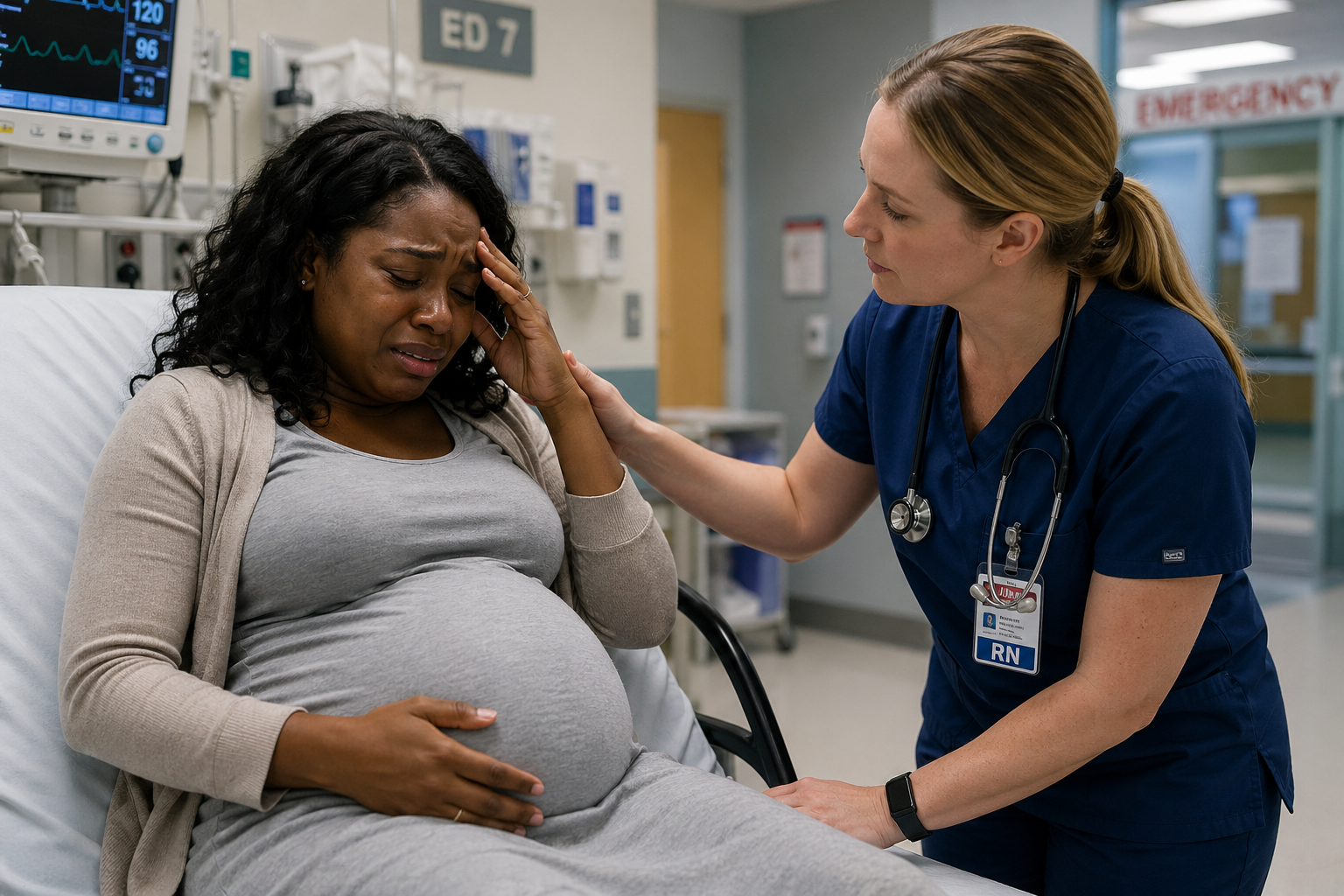
Our team is ready to provide the attention, care, and expertise you deserve.